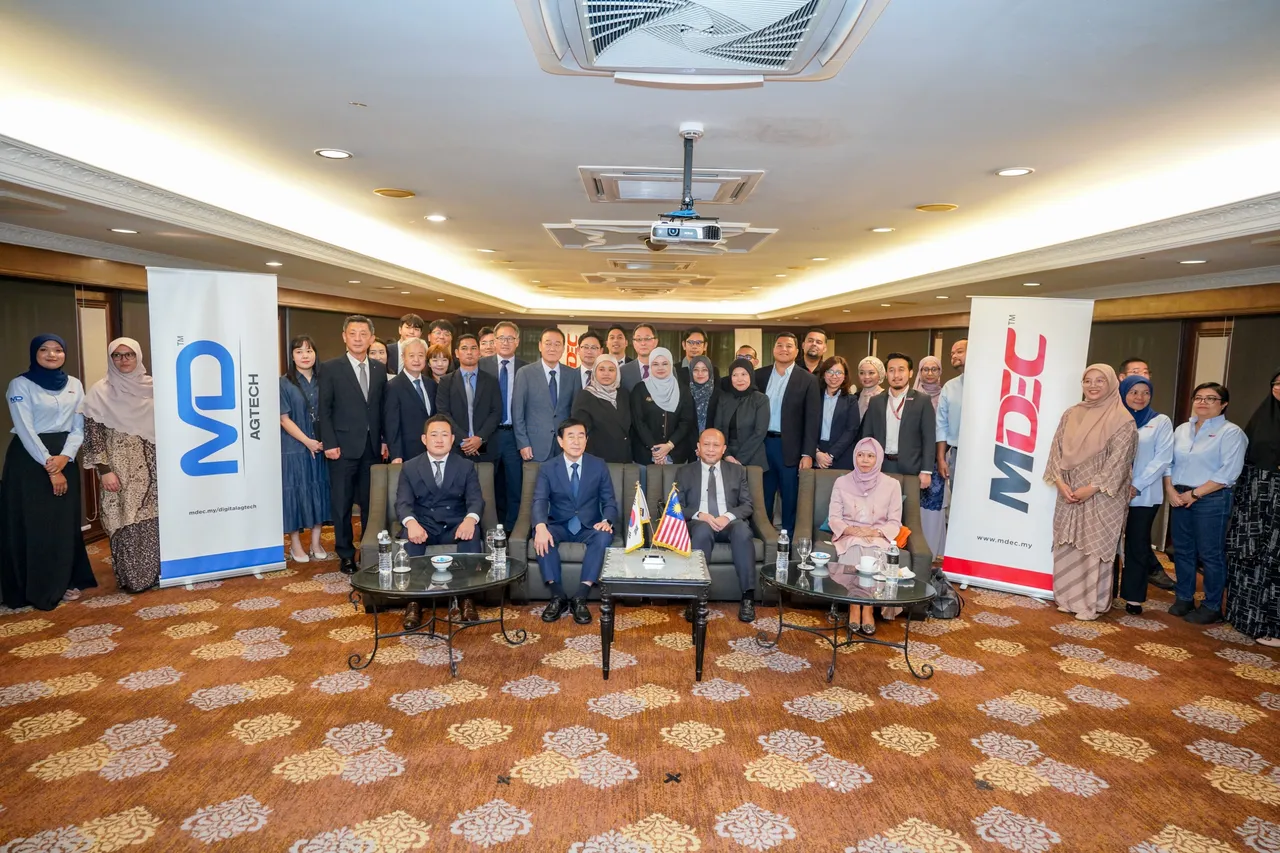
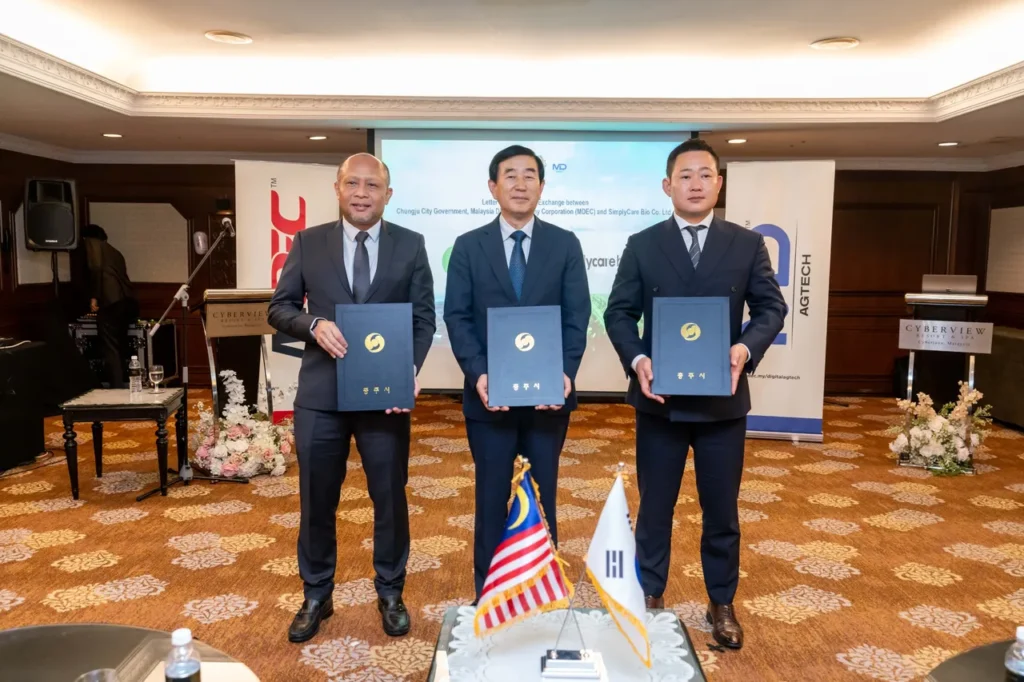
KUALA LUMPUR – In a landmark move to bolster Malaysia’s position as a global leader in both the digital economy and the Halal industry, the Malaysia Digital Economy Corporation (MDEC) has announced a strategic collaboration with the Chungju City Government of the Republic of Korea. The partnership aims to accelerate the adoption of Artificial Intelligence (AI) in agriculture while specifically advancing Halal digitalisation and cross-border certification readiness.
Strengthening the Halal Supply Chain through AI
The collaboration focuses on the development of “Digital Farmers” and the deployment of AI-powered AgTech to ensure national food security. For the Halal-conscious community, this partnership represents a significant leap in ensuring traceability and quality from the farm level.
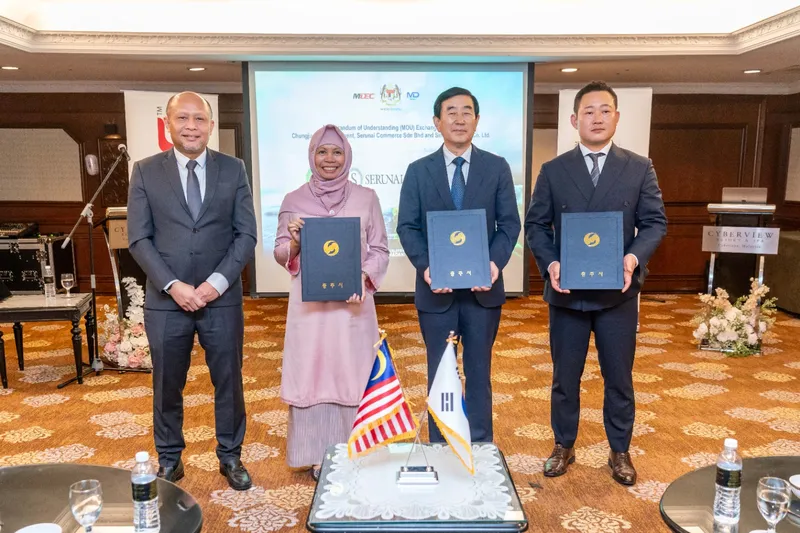
As part of the initiative, a Memorandum of Understanding (MoU) was exchanged between Serunai Commerce Sdn Bhd (the developer of the Verify Halal app), South Korea’s SimplyCare Bio, and the Chungju City Government. This tripartite agreement is set to pioneer digital certification readiness and establish trusted digital frameworks for agriculture-based products, ensuring they meet stringent Halal standards through technology-driven validation.
Precision Farming Meets Halal Integrity
Building on a 2022 government-to-government (G2G) initiative, the collaboration has already seen the successful deployment of three AI-powered systems in Malaysia:
- AI Smart Fertigation System
- AI Smart Irrigation System
- AI Pest Detection System
By integrating these technologies, the partnership ensures that agricultural inputs and processes are monitored with precision. For the Halal industry, this level of data-driven transparency is crucial for maintaining the integrity of the “Farm-to-Table” supply chain.
Leadership Perspectives
MDEC CEO Anuar Fariz Fadzil emphasized that the partnership aligns with Malaysia’s aspiration to become an AI Nation by 2030.
“This first-ever collaboration with the Chungju City Government is a powerful example of how cross-border partnerships can accelerate AI adoption,” said Anuar. “Beyond increasing productivity, it uplifts farmers’ livelihoods and future-proofs Malaysia’s agrofood ecosystem through digital adoption, particularly in strategic areas like Halal digitalisation.”
A Strategic Vision for 2030
The initiative supports the National Agrofood Policy (DAN 2.0) and the National Food Security Policy Action Plan. By leveraging South Korea’s technological prowess and Malaysia’s Halal expertise, the collaboration aims to create a scalable model for inclusive growth.
For industry stakeholders, this partnership signals a new era where AI does not just improve yield but acts as a validator for Halal compliance, providing consumers with greater confidence in the digitalized Halal economy.
Key Takeaways for Verify Halal Readers:
- Digital Certification: Serunai Commerce will lead efforts to integrate Halal certification into the digital agricultural framework.
- Transparency: AI-powered monitoring provides a higher standard of traceability for Halal raw materials.
- Global Collaboration: The partnership bridges Malaysian Halal expertise with South Korean technological innovation.
For more updates on Halal technology and digital transformation, stay tuned to Verify Halal Wire.