SEOUL, December 29, 2025 — Halal tourism in South Korea is experiencing steady growth as the country adapts to the rising number of Muslim travellers seeking destinations that respect their religious and cultural needs. This shift is reshaping South Korea’s tourism landscape, particularly in the food, hospitality and travel services sectors, and is positioning the country as an emerging player in the global halal tourism market.
With Muslim tourism continuing to expand worldwide, South Korea has begun embracing halal-compliant food options and culturally sensitive travel experiences. Increasingly, local restaurants and tourism operators are modifying menus, food preparation methods and services to cater to Muslim visitors. These developments signal a broader transformation in how South Korea approaches inclusive tourism, moving beyond conventional offerings to meet evolving global travel expectations.
Changing Consumer Behaviour Creates Long-Term Growth Opportunities
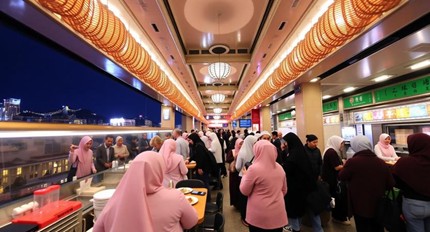
Muslim tourists visiting South Korea are no longer limiting themselves to familiar international cuisine. Instead, many are actively seeking authentic Korean food that complies with halal dietary requirements. This behavioural shift reflects a wider global tourism trend in which travellers value immersive cultural experiences without compromising religious principles.
As a result, Korean cuisine is being reinterpreted to suit halal requirements, with restaurants removing pork and alcohol, focusing on seafood and vegetable-based dishes, and clearly communicating halal-friendly practices. This growing demand is encouraging the expansion of halal tourism infrastructure, including halal-certified restaurants, Muslim-friendly eateries and tailored tourism services.
Impact on Hospitality and Culinary Industries
The growth of halal tourism is expected to significantly benefit South Korea’s hospitality and culinary sectors. Hotels, restaurants and tour operators are increasingly encouraged to pursue halal certification, introduce customised dining options and improve facilities such as prayer spaces. These adaptations not only attract Muslim travellers but also enhance South Korea’s reputation as an inclusive and globally competitive tourism destination.
In the long term, halal tourism is likely to drive innovation in sustainable and ethical tourism practices. These include environmentally friendly accommodation, green transport initiatives and cultural exchange programmes designed specifically for Muslim visitors. The sector is also expected to generate new employment opportunities in tourism management, food services and cultural programming.
Regional and Global Opportunities
Halal tourism is gradually becoming an integral part of South Korea’s national tourism strategy rather than a niche segment. Growing demand from Muslim travellers may lead to stronger partnerships with Muslim-majority countries, encouraging tourism investment, cross-border collaboration and cultural exchange.
Digital Solutions to Enhance Accessibility
Technology is expected to play a crucial role in supporting halal tourism growth. Digital platforms that list halal restaurants, prayer facilities and Muslim-friendly attractions will improve accessibility for travellers. In the future, smart tourism applications and artificial intelligence-powered services could provide personalised travel itineraries aligned with halal requirements, enhancing visitor satisfaction and repeat travel.
A Promising Future for Halal Tourism
Overall, the outlook for halal tourism in South Korea is positive. With continued innovation, inclusivity and sustainability, the country is well-positioned to strengthen its standing as a Muslim-friendly destination and contribute meaningfully to the global halal tourism ecosystem
SOURCE : TRAVEL AND TOUR WORLD