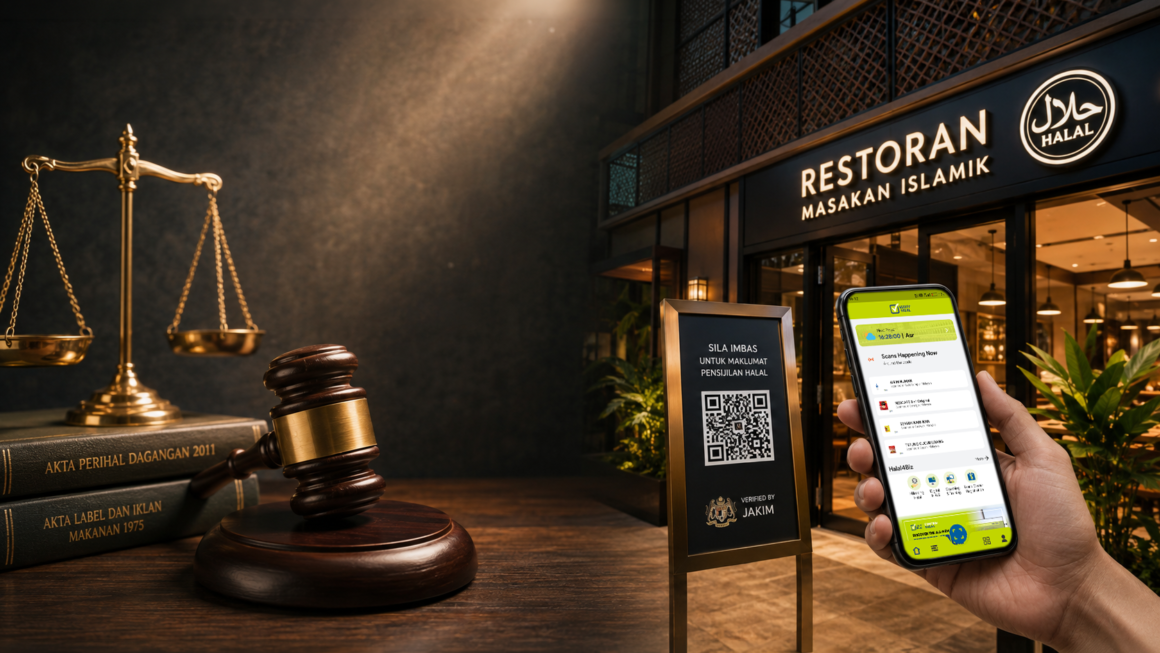
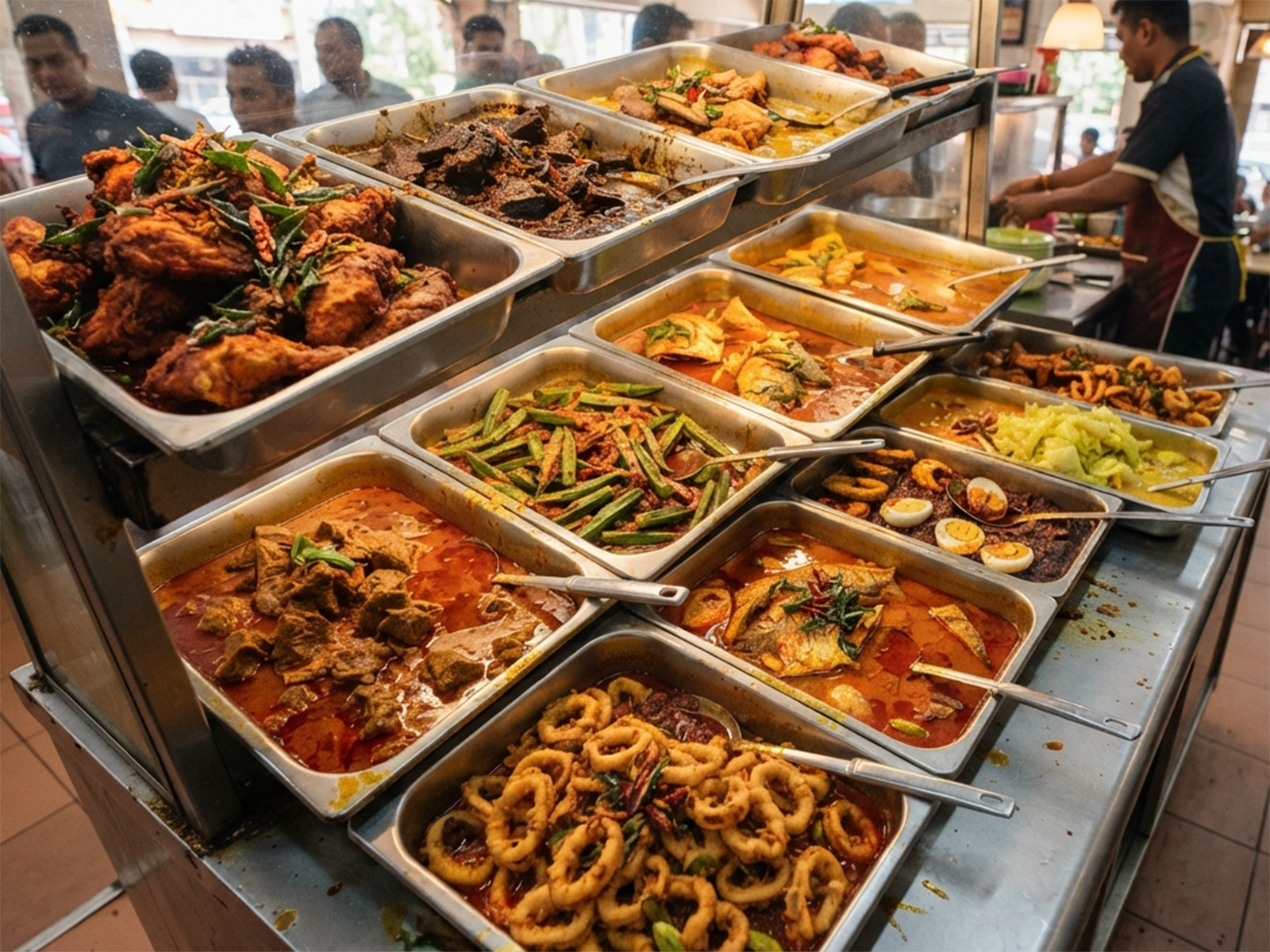
Halal status is determined by compliance with recognised standards, not branding or ethnicity.
Consumers today are increasingly mindful of the products they buy and the places they dine. However, one common misconception still persists across the market: a business is often assumed to be Halal simply because it uses a Malay or Islamic-sounding name, employs Muslim staff, or displays Islamic symbols.
In reality, none of these superficial factors determine whether a product or food establishment is truly Halal. Halal is not defined by identity, culture, or branding. Instead, it requires strict compliance with recognised Halal standards, verified through an official certification process.
Halal Is About Compliance, Not Perception
alaysia’s Halal Certification System evaluates every operational level of a business to ensure full alignment with Islamic requirements. This rigorous assessment extends far beyond a menu, logo, or business owner.
Key operational elements evaluated during an audit include:
- Traceability: Sourcing and raw material origin checks.
- Processing: Safe food handling, preparation, and manufacturing methods.
- Hygiene: Stringent sanitation and cleanliness protocols.
- Contamination Prevention: Measures preventing cross-contact with non-Halal materials.
- Documentation: Internal Halal management systems and record-keeping.
Consequently, a restaurant owned by a non-Muslim or operating under a non-Malay brand can be fully Halal-certified if it strictly complies with these standard procedures. Conversely, an Islamic name or branding alone guarantees nothing without valid certification.
Why Consumer Transparency Matters
Using Islamic or Malay names without obtaining official Halal certification can unintentionally mislead consumers who rely on those visual cues.
Fortunately, modern consumers are becoming much more informed. Rather than relying on assumptions or marketing appearances, many now verify Halal claims through trusted digital platforms. Transparency builds long-term brand credibility, whereas assumptions lead to consumer distrust.
Businesses that invest in official Halal certification demonstrate accountability, integrity, and genuine compliance.
What Consumers Should Look For
When choosing Halal food or products, consumers should look beyond branding claims.
Here is what you should always do:
- Verify the Logo: Look for a valid Malaysia Halal Certificate (SPHM) or recognised foreign Halal logo.
- Use Digital Verification Tools: Check active certification status through official digital channels.
- Be Cautious of Unofficial Claims: Understand that terms like “Muslim Friendly” or “No Pork, No Lard” are not legal substitutes for official Halal certification.
- Support Transparent Businesses: Choose outlets that clearly disclose their Halal certification details.
Making informed choices protects your family while encouraging businesses to uphold higher standards across the industry.
How the Verify Halal™ App Helps You
Consumers should never rely on appearances or logos alone; claims must always be verified.
The Verify Halal™ app allows you to quickly search and verify authentic Halal certification status in real-time. By accessing updated databases, you can make confident, informed decisions every time you shop or dine.
Don’t guess. Verify! Download the Verify Halal™ app on Google Play or the Apple App Store today to ensure your family’s food choices are truly pure and authentic.
Source: Sinar Harian