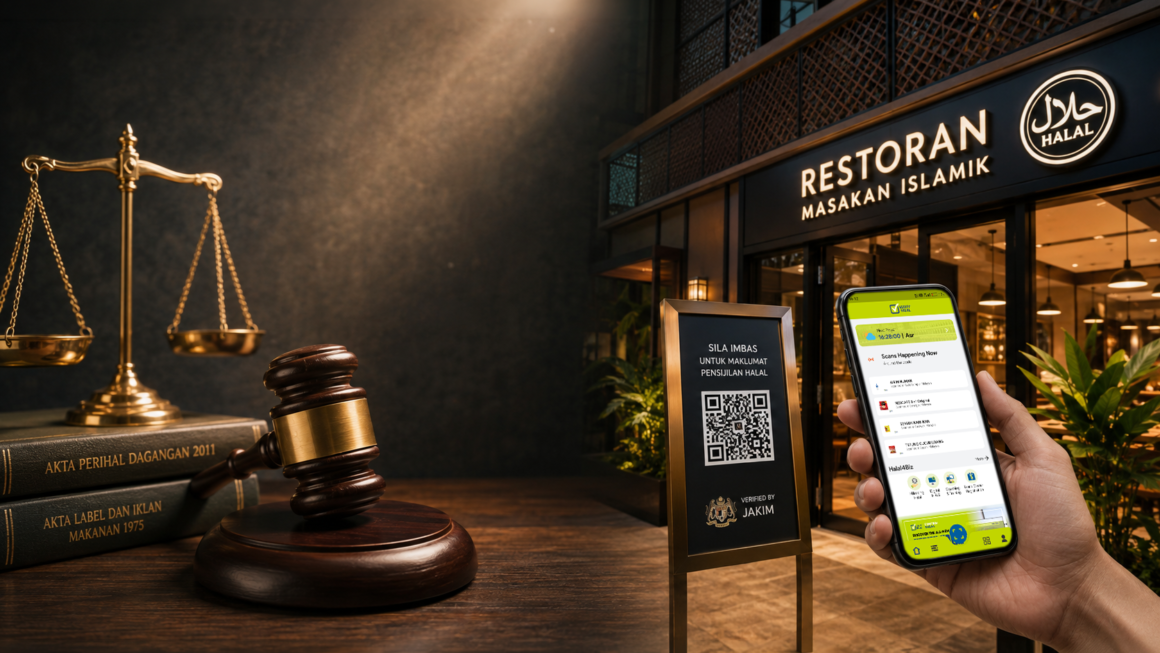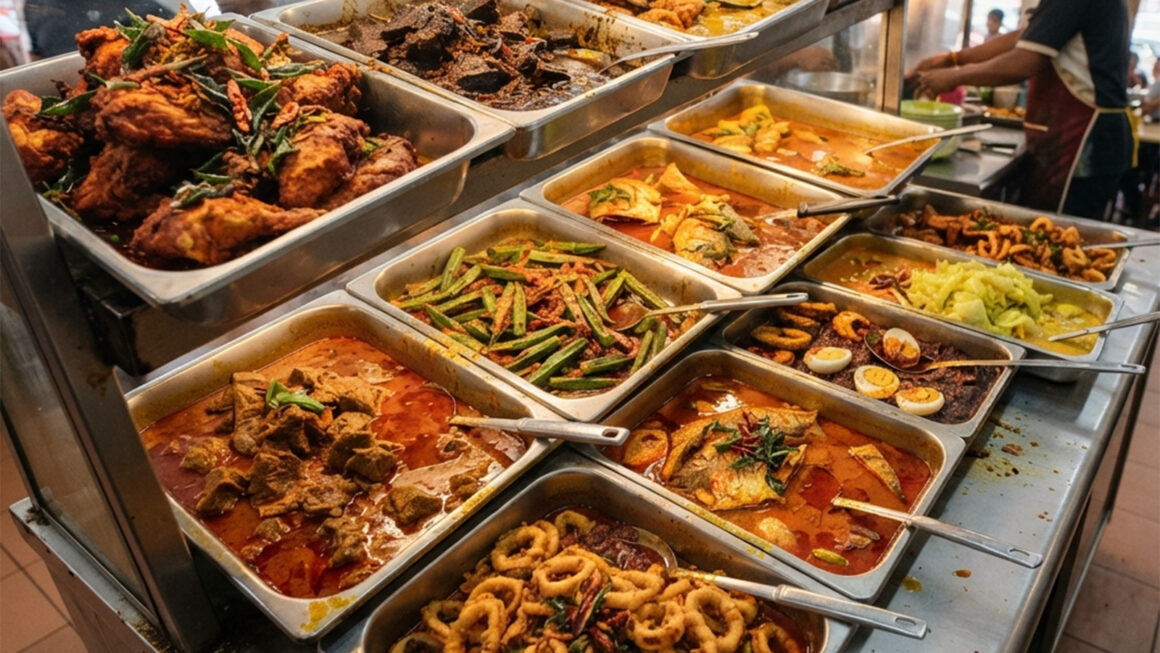
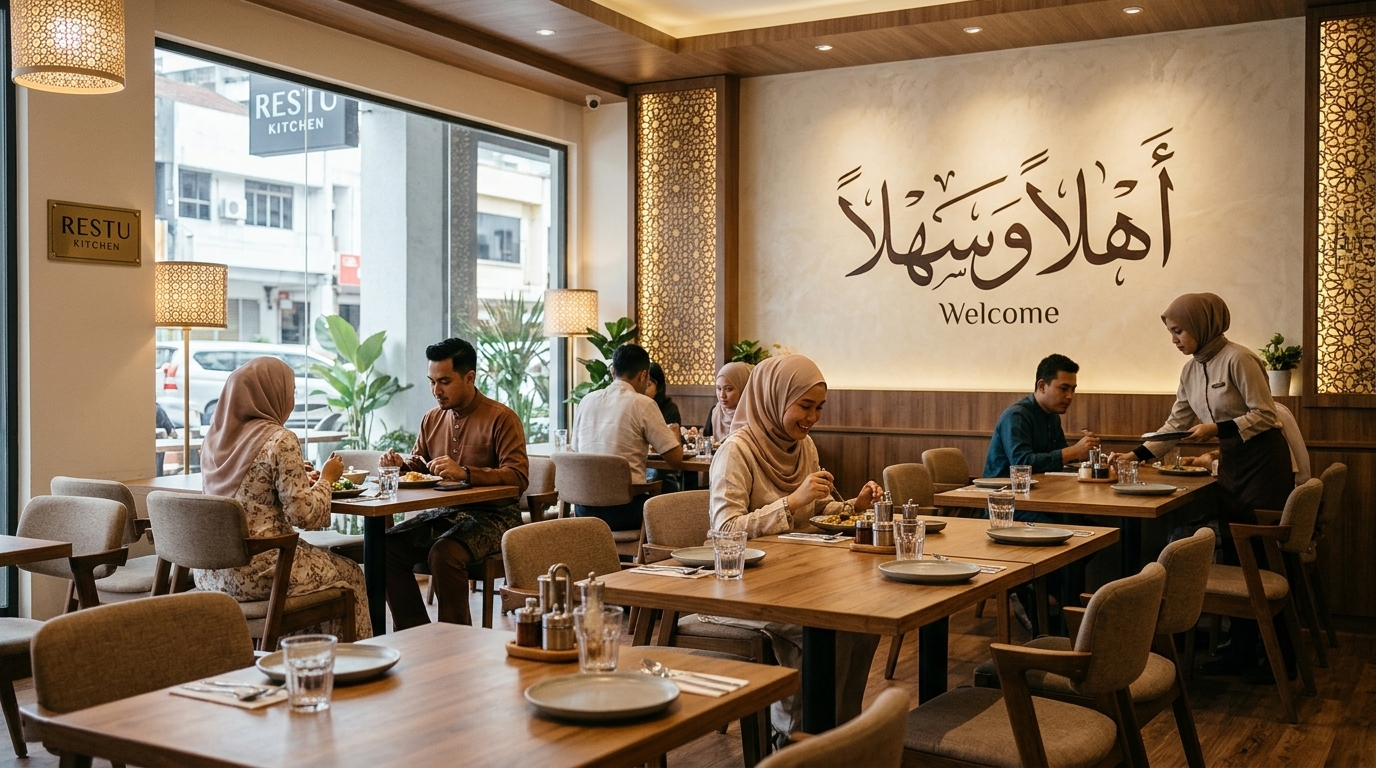
Using Islamic names, Quranic verses or religious imagery may attract Muslim customers, but these elements do not guarantee that a food premises is Halal. Malaysia’s Department of Islamic Development (JAKIM) has stressed that Halal compliance must be demonstrated through proper standards and practices, not marketing alone.
Religious Imagery Is Not Proof of Halal Compliance
JAKIM has raised concerns about food premises allegedly using Islamic imagery and Quranic verses to attract Muslim customers when their Halal status cannot be confirmed. JAKIM Director-General Datuk Sirajuddin Suhaimee emphasised that religious symbols and decorations should not be treated as evidence of Halal compliance.
The same principle applies to business names. A Malay or Islamic-sounding name does not automatically indicate that a restaurant is Halal. However, using such names is not automatically a violation, provided they do not involve false or misleading claims about Halal status. The key issue is whether a business meets the requirements established by the relevant authorities.
Halal Covers More Than Ingredients
Many consumers associate Halal primarily with the food they eat. However, Halal compliance extends beyond checking whether a dish contains pork or alcohol. Under Malaysia’s Trade Descriptions (Definition of Halal) Order 2011, food and goods described as Halal must meet requirements concerning their ingredients, preparation, handling and processing.
These requirements include ensuring that products do not contain prohibited substances, impurities or ingredients derived from animals that are forbidden or not slaughtered according to Shariah requirements. Equipment and utensils must also be protected from contamination by impurities.
For food businesses, this means Halal integrity must be maintained throughout the preparation and handling process. A restaurant cannot establish its Halal status simply by claiming to serve food without pork or by maintaining a visibly clean dining area. Halal is a system of compliance, not a marketing label.
Why Official Halal Certification Matters
Consumers may feel more comfortable visiting a restaurant that displays Islamic decorations, employs Muslim staff or uses familiar religious expressions in its branding. However, appearances alone cannot establish whether its ingredients, food preparation methods and handling procedures meet Halal requirements.
Official Halal certification provides a more reliable basis for assessing compliance. In Malaysia, JAKIM and the relevant state Islamic religious authorities are responsible for Halal certification within their respective areas of authority. Businesses should therefore ensure that their Halal claims accurately reflect their certification status. Misleading representations can undermine consumer confidence and affect the integrity of Malaysia’s Halal industry.
Consumers, meanwhile, should look beyond advertising and religious imagery when deciding where to eat.
How Verify Halal Can Help
Making informed food choices starts with reliable information. Verify Halal helps consumers check Halal-related information so they can make more informed decisions when choosing products and businesses.
Rather than relying solely on restaurant names, religious decorations or marketing claims, consumers can use Verify Halal as part of their efforts to assess a product’s or business’s Halal status.
Ultimately, confidence in Halal comes from proper compliance and credible verification, not appearances alone.
Source: Harian Metro