“Halal integrity is only as strong as the weakest point in the production process.”
Recent enforcement actions by state authorities serve as a crucial reminder for food manufacturers: Halal certification is not limited to raw ingredients alone.
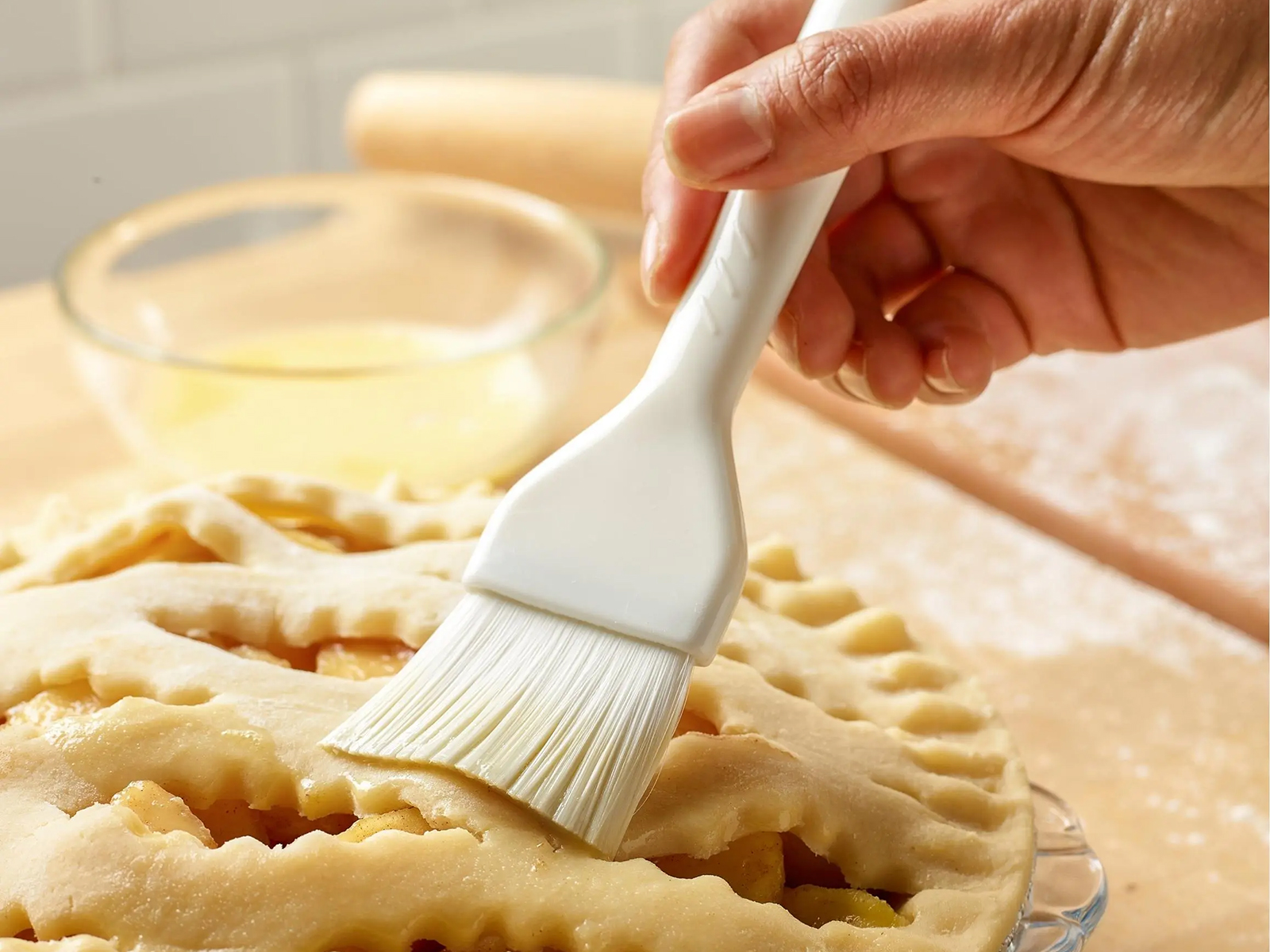
In a recent case, state Islamic religious authorities withdrew the Malaysian Halal Certification (SPHM) of local coffee and biscuit manufacturers. This immediate revocation occurred after laboratory testing confirmed that cleaning brushes used on production equipment contained pig bristles.
Although workers did not use the brushes as food ingredients, their direct contact with processing equipment was enough to compromise the Halal integrity of the entire facility.
Why Is This a Serious Halal Issue?
In Islamic jurisprudence, pigs and all their derivatives are classified as najis mughallazah (severe impurity). Any equipment or utensil that touches pig-derived materials can easily contaminate food-contact surfaces. Consequently, this affects the Halal status of every product processed on that line.
Because of this risk, the Malaysian Halal Certification Procedure Manual (Domestic) 2020 mandates that all equipment, utensils, processing aids, and cleaning tools inside a certified premise must remain entirely free from prohibited (haram) and impure (najis) materials.
Crucially, this strict requirement applies to all operational tools, even items that never enter the final food product.
Best Practices for Halal-Certified Companies
To safeguard operational integrity, organisations must expand their quality control beyond ingredients. Here are key steps every Halal-certified company should follow:
- Verify Material Composition: Inspect all operational tools and cleaning items prior to purchasing.
- Demand Supplier Declarations: Request technical specifications and Halal compliance documentation for all sanitation equipment.
- Expand Risk Assessments: Include non-food contact materials directly in your internal Halal risk assessments.
- Train Operational Staff: Educate factory workers to recognise hidden sources of non-Halal materials in daily operations.
- Conduct Internal Audits: Perform regular, comprehensive internal audits that cover both raw materials and plant machinery.
- Act Swiftly: Replace uncertified or questionable equipment immediately whenever non-compliance risks are identified.
Ultimately, a robust Halal Assurance System (HAS) must monitor every physical item entering the manufacturing plant.
Halal Is a Complete Quality Management System
Halal certification rests upon the core principle of Halalan Toyyiban—meaning products must be permissible, clean, safe, hygienic, and wholesome.
Therefore, true compliance encompasses the entire manufacturing ecosystem. This includes:
- Raw materials and additives
- Food processing machinery
- Sanitation and cleaning tools
- Personnel hygiene and practices
Every single component plays a direct role in protecting consumer confidence and preserving supply chain integrity.
How Digitalisation Protects Your Certification
As regulatory standards grow more thorough, food manufacturers need total visibility over their daily operations. Digital management solutions allow teams to transition away from manual oversights and human error.
Through digital systems, organisations can easily:
- Maintain real-time records of approved suppliers.
- Track and log equipment and maintenance tools.
- Centralise all Halal documentation securely.
- Schedule and track internal Halal audits automatically.
- Monitor corrective actions before external inspections happen.
Protect Your Business with VH SMART™
Halal compliance is more than securing a certificate; it is an ongoing commitment to integrity across the entire value chain. Every detail matters, even something as small as a cleaning brush.
With VH SMART™, our digital Halal Assurance System, your organisation can seamlessly manage audits, streamline documentation, and monitor plant compliance with absolute confidence.
Take control of your Halal compliance today. Contact our team at customerservice@serunai.com to discover how VH SMART™ can safeguard your operations.
Source: Sinar Harian