Shifting from Global Fragmentation to Regional Solidarity
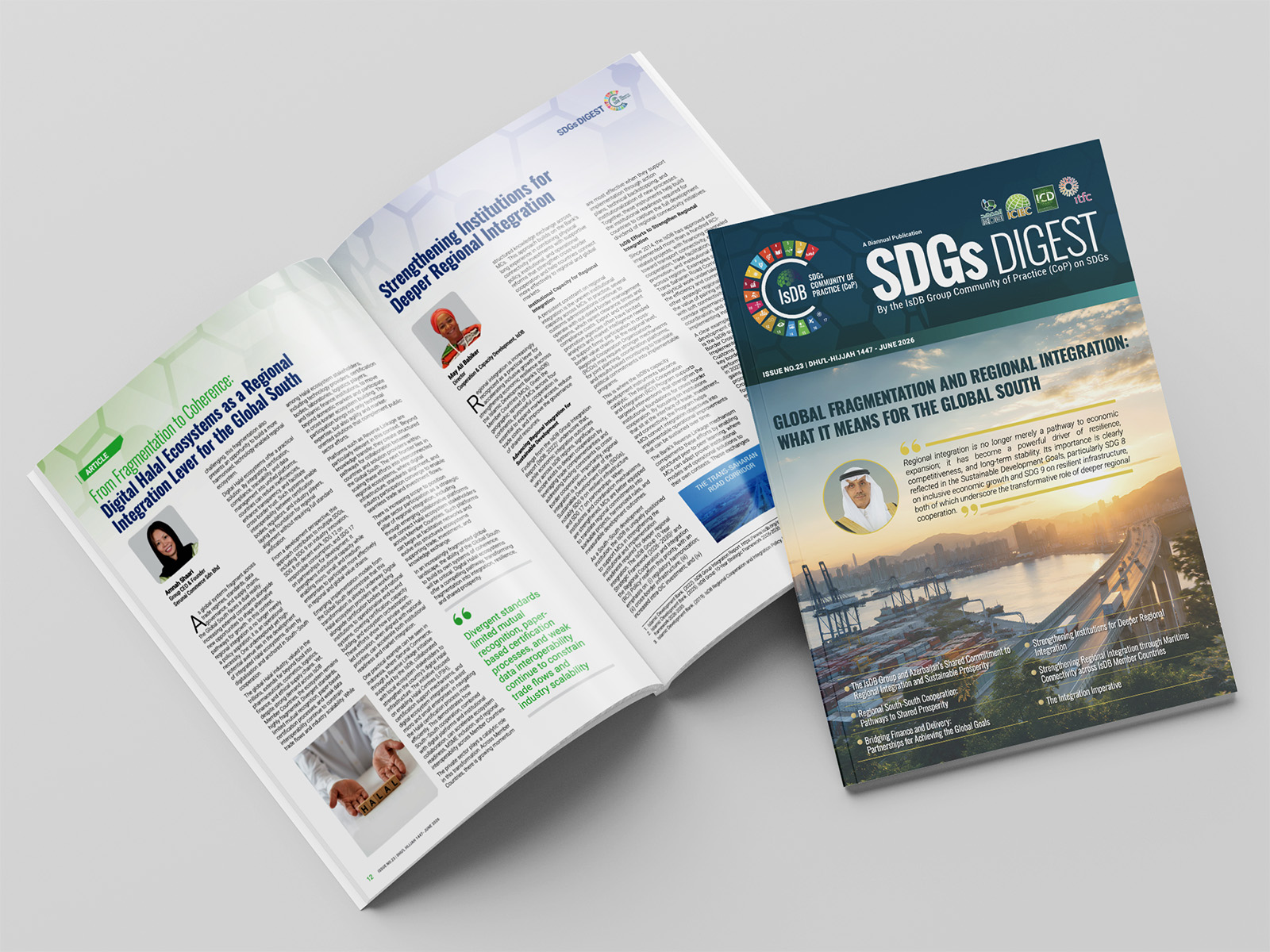
The Islamic Development Bank (IsDB) Group has officially released the 23rd edition of its biannual publication, the SDGs Digest (June 2026), centering on a critical theme: “Global Fragmentation and Regional Integration: What It Means for the Global South.” As geopolitical rivalries, volatile markets, and shifting trade routes fracture traditional economic systems, developing nations face tightening fiscal constraints and uneven progress toward the 2030 Sustainable Development Goals (SDGs). In response, the IsDB Group’s featured analysis and institutional perspectives make a powerful case for regional integration, not merely as a path to economic expansion, but as an essential driver of long-term resilience, market stabilisation, and shared prosperity.
Unlocking the Trillion-Dollar Halal Industry through Digitalisation
A standout feature within this latest IsDB publication is the strategic role of digital Halal infrastructure, highlighted in a key article authored by Amnah Shaari, Group CEO and Founder of Serunai Commerce Sdn. Bhd. Valued in the trillions of dollars, the global Halal industry spans far beyond food into cosmetics, pharmaceuticals, finance, and logistics. However, the ecosystem remains heavily fragmented across IsDB Member Countries due to paper-based processes, divergent national standards, weak data interoperability, and limited mutual recognition between regulatory bodies. Amnah Shaari emphasises that digital Halal ecosystems present a highly effective operational solution to circumvent these external constraints and build alternative pathways for cross-border trade.
Scalable Solutions and South-South Cooperation
Rather than requiring a complex, full harmonisation of physical regulatory standards across different nations, digital systems offer a unified platform where certification, compliance, and traceability data can coexist and interact seamlessly. This technology-driven approach directly advances several global goals, including SDG 8 (Decent Work and Economic Growth) and SDG 9 (Industry, Innovation, and Infrastructure). By bridging the gaps between certification bodies, laboratories, and trade players, digital orchestration allows micro, small, and medium enterprises (MSMEs) to bypass traditional administrative inefficiencies and enter larger regional value chains with greater agility.
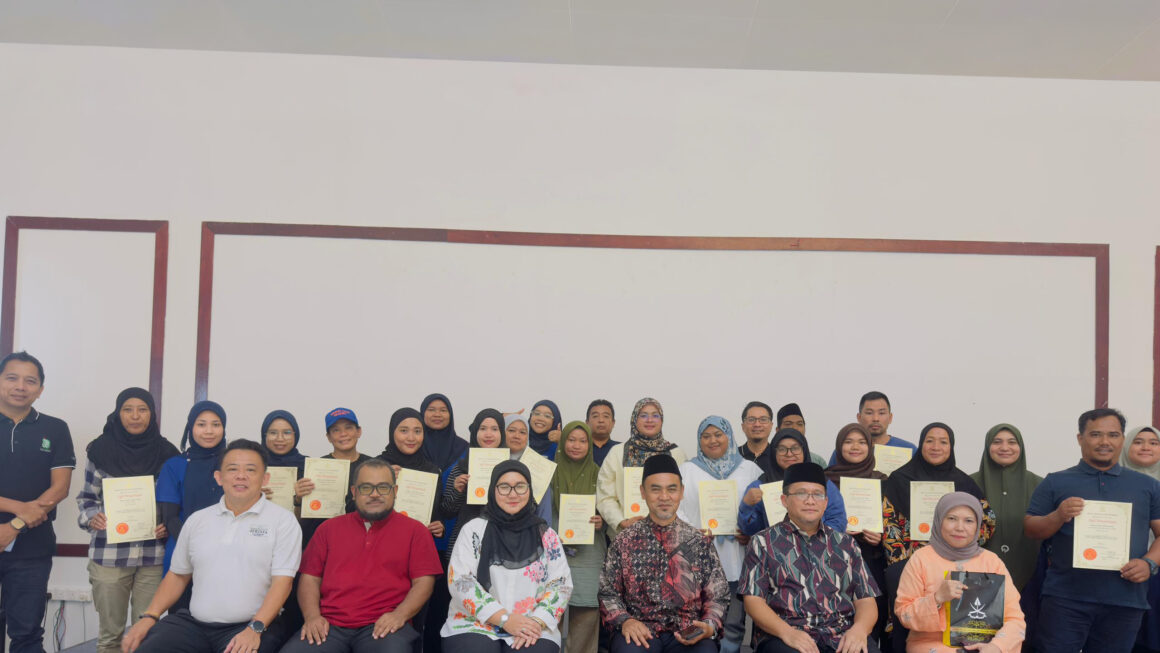
A prime operational model of this transformation highlighted in the context of IsDB initiatives is Serunai Commerce’s recent collaboration in Indonesia. Supported by an IsDB Reverse Linkage initiative, Serunai worked alongside local ecosystem stakeholders to bolster the country’s digital Halal infrastructure. By digitalising Halal Centres (LP3H) and streamlining certification support mechanisms, the initiative successfully enabled small businesses to navigate complex compliance pathways more efficiently. This localised success demonstrates how private sector-led technology, combined with structured multilateral support, acts as a critical lever to transform market fragmentation into interconnected, trust-based regional commerce.